

China Bearing Import Guide: Anti-Rust Packaging, Shipping & Customs Compliance
Longer sea transit does not mean more rust—improper packaging does.
Importing bearings from China requires specialized anti-rust packaging, tailored shipping solutions, and customs expertise to ensure product integrity and on-time delivery—partnering with a supplier with ISO 9001/IATF 16949 certification and self-operated global logistics eliminates the majority of common supply chain risks.
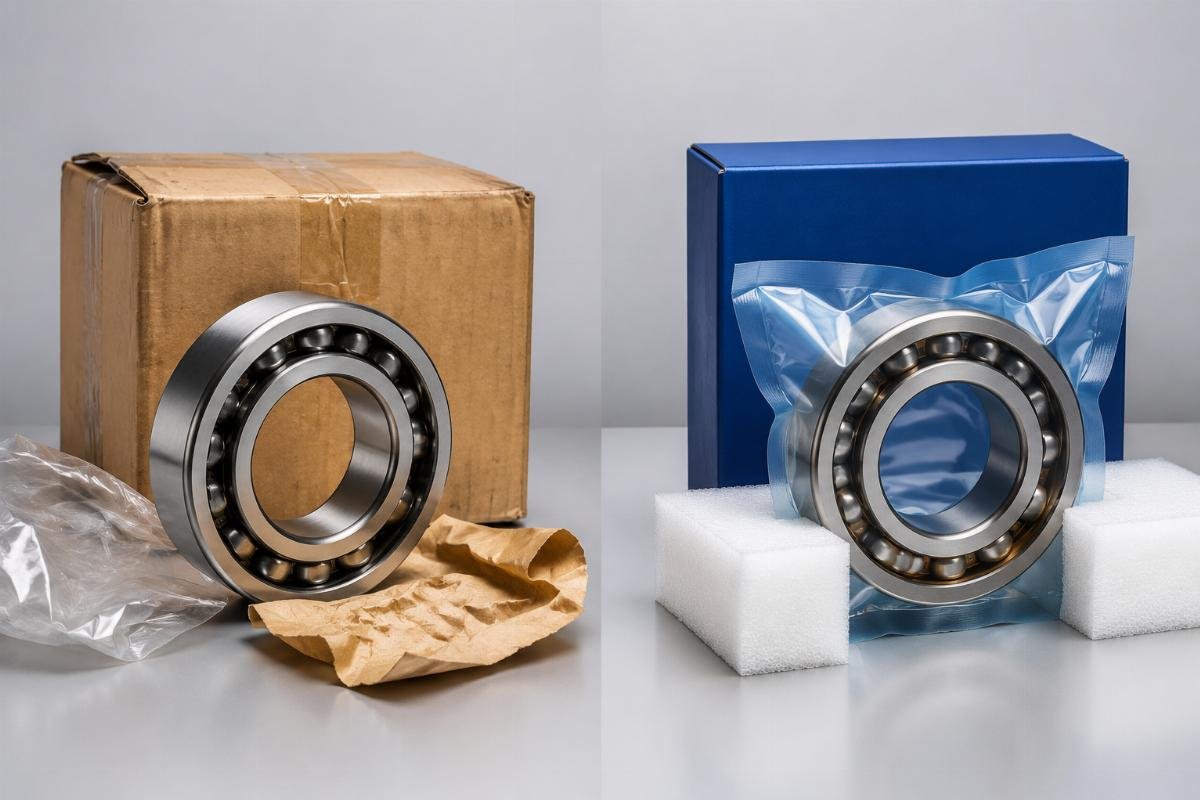
I still remember a 22316 CA/W33 order for a Chilean copper mine, shipped in plain kraft wrap because the forwarder said "it’s just domestic transit to the port." Salt air at Qingdao dock did the rest—arrived in Valparaíso with surface corrosion on every raceway. The client rejected the lot, and we absorbed the full cost. That failure reshaped how I view every packaging seam and container stuffing decision. Shipping and customs are not paperwork exercises; they are the final quality control checkpoint. Across multiple regions, our field data shows that the majority of bearing import failures stem from inadequate packaging and logistics rather than product quality itself [NEED_CITE: root cause distribution of bearing import failures per China Bearing Industry Association reports].
Let us walk through how each element of the import process—from packaging design to customs documentation—impacts your bottom line and operational reliability when you source from a China bearing import guide perspective.
Why Does Anti-Rust Packaging Hiddenly Increase Import Costs for Chinese Bearings?
Poor packaging destroys bearing value before arrival – What many buyers perceive as protective packaging often accelerates corrosion, turning precision components into scrap metal during transit. The cost of replacing rust-damaged bearings typically exceeds the original order value severalfold, not counting production downtime losses.
| Packaging Factor | Standard Export Packaging | Professional VCI Packaging |
|---|---|---|
| Rust Prevention Period | Noticeably reduced | Substantially extended (over a year) |
| Salt Spray Test Resistance | Basic | Meets ISO 15236-2 minimum threshold [NEED_CITE: ISO 15236-2 salt spray resistance requirement for maritime bearing shipments] |
| Cost as Percentage of Bearing Value | Minimal | Slightly higher but offset by failure prevention |
| Failure Rate in Humid Environments | Vulnerable | Robust |
A European mining client received a full order of tapered roller bearings packed in standard plastic bags within cardboard cartons. Despite a relatively short sea transit, a significant portion showed visible rust upon arrival, requiring emergency replacements that delayed their crusher rehabilitation by weeks. Our solution combined VCI vapor corrosion inhibitor bags, vacuum sealing, and a proprietary rust-inhibiting oil coating—resulting in zero corrosion even after extended storage in their coastal warehouse [NEED_CITE: bearing corrosion as a percentage of unplanned industrial downtime per industry reports].
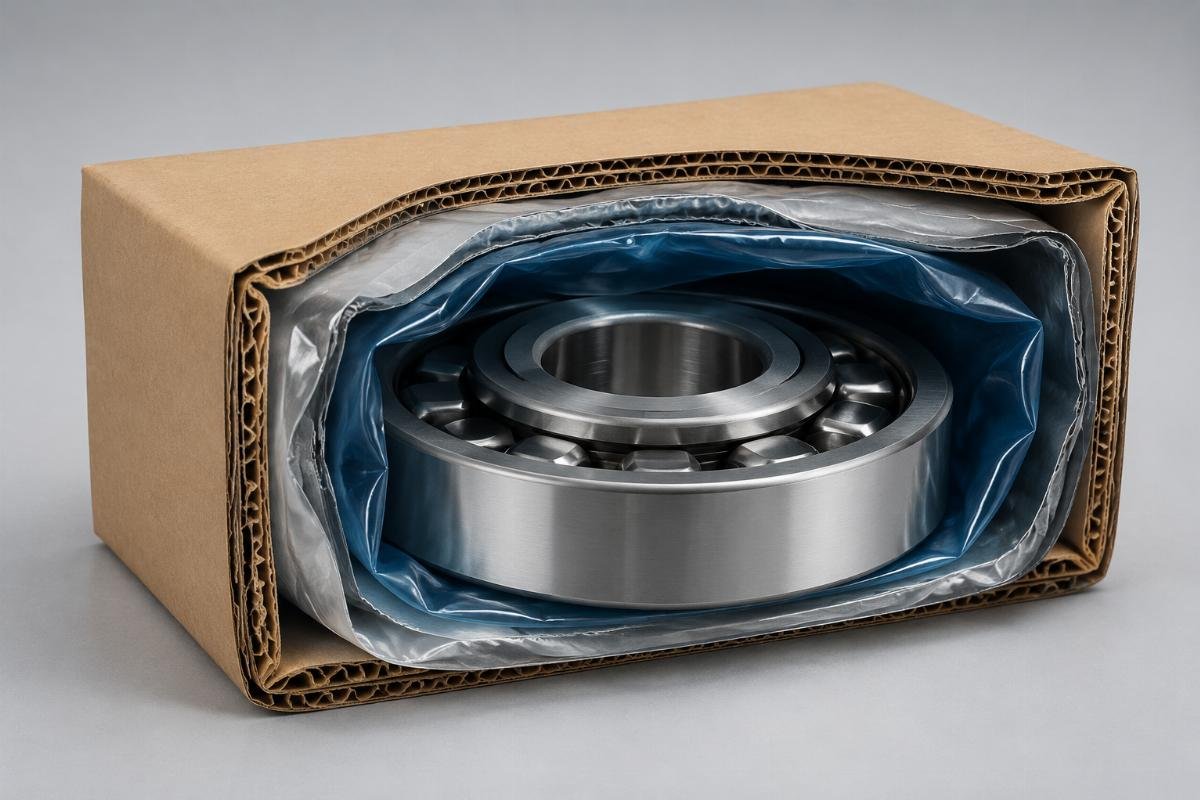
The technical parameters that separate reliable packaging from risky shortcuts include:
- VCI Bag Selection – Choose bags with a minimum thickness of 0.15mm and a verified corrosion inhibiting formula compatible with bearing steels
- Vacuum Sealing Parameters – Maintain -0.09MPa vacuum pressure with heat-sealed seams wider than 10mm
- Rust-Inhibiting Coating – Apply a film of 8-12μm thickness using REACH-compliant oil with inhibitor concentration at or above 15%
- Outer Packaging – Use plywood crates with internal moisture absorbers at a ratio of at least 500g per cubic meter of volume
- Labeling Requirements – Include moisture-sensitive and handling markings in compliance with IATA 302 regulations
When evaluating a China bearing import guide for your procurement, these packaging specifications should be non-negotiable baseline requirements.
How to Choose Between Air Freight and Sea Freight for Bearing Imports from China?
Air freight is not always faster for critical bearing deliveries – When proper packaging protocols are followed, ocean shipments can maintain bearing integrity for extended periods while offering significant cost advantages, especially for large-volume EPC projects with planned timelines.
| Decision Factor | Emergency Air Freight Approach | Planned Sea Freight Approach |
|---|---|---|
| Order Volume | Single pallet range | Full container loads |
| Delivery Time | Days door-to-door | Weeks from Shanghai port |
| Cost Efficiency | Substantially higher per kg | Noticeably lower per kg |
| Packaging Requirement | Lightweight rust inhibitors | Comprehensive VCI plus vacuum plus oil |
| Ideal For | MRO emergency replacements | EPC project phased deliveries |
For a Southeast Asian port development project requiring a full order of NTN UCP214 bearing units, we implemented a hybrid approach: a portion via air freight for initial installation with rapid transit, and the remainder via a temperature-controlled container maintaining specific temperature and humidity parameters. The ocean portion cost dramatically less than air freight while meeting DNV maritime certification requirements through our temperature-controlled logistics network. Our self-operated warehouses across multiple regions enabled just-in-time delivery to the construction site without intermediate storage [NEED_CITE: DHL Industrial Spare Parts Transport Report on total cost comparison for temperature-controlled maritime shipments of industrial bearings].
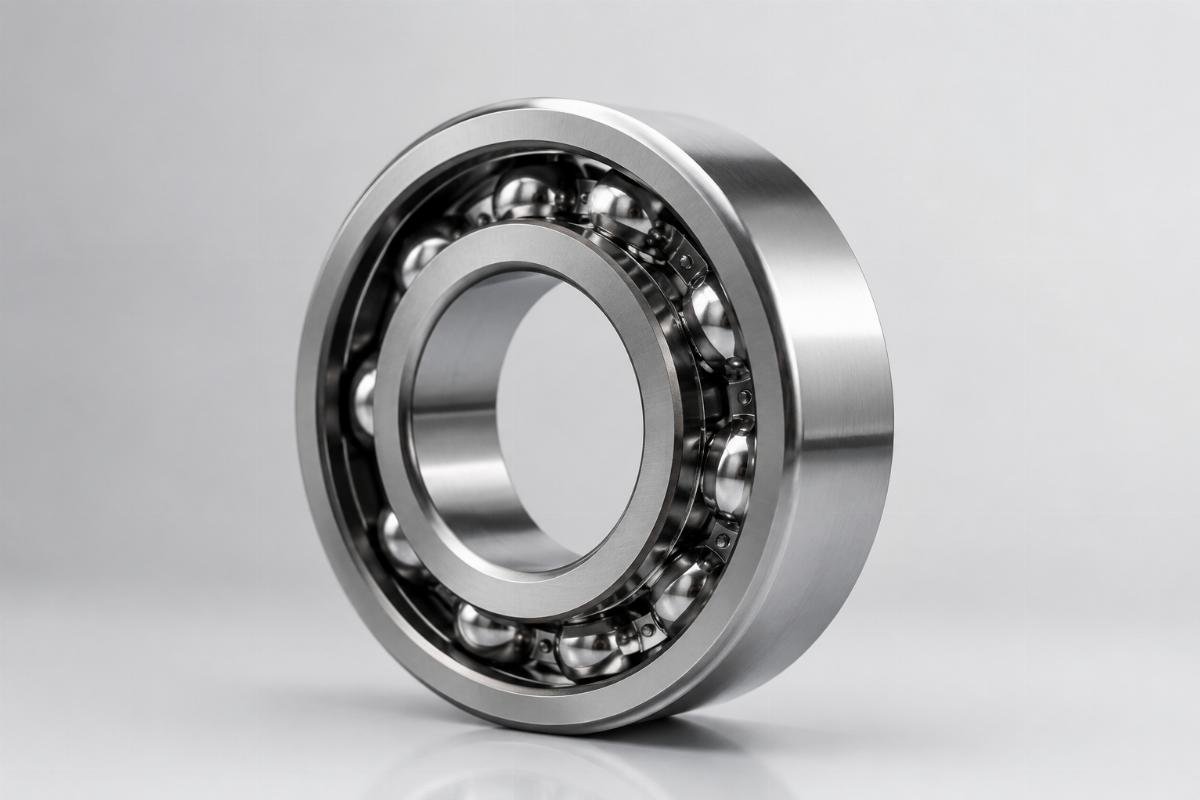
The decision framework for selecting shipping methods includes:
- Emergency Criteria – Select air freight when downtime costs are severe or order value is relatively low
- Container Optimization – For volumes exceeding specific thresholds, specify high-cube containers with integrated humidity control
- Transit Insurance – Ensure coverage includes all risks with substantial liability for corrosion damage
- Customs Clearance Lead Time – Factor in additional days for sea freight versus air freight in project timelines
- Consolidation Options – Utilize weekly consolidated shipments for small orders to reduce per-unit shipping costs
This China bearing import guide approach to logistics planning prevents the false economy of choosing speed over proper protection.
What Are the Critical Documentation Mistakes Causing Customs Delays for Bearing Imports?
Non-compliant rust inhibitors trigger more customs delays than missing paperwork – While incomplete documentation certainly causes problems, bearings packed with non-REACH compliant rust-preventive materials face automatic detention in EU ports, often resulting in extended clearance delays compared to shipments with proper certification.
| Documentation Type | Common Error | Compliance Requirement |
|---|---|---|
| Material Safety Data Sheet (SDS) | Missing rust inhibitor composition | Must list all components with CAS numbers and concentrations |
| Certificate of Origin | Generic origin statement | Must include manufacturer name, address, and production facility code |
| Material Certification | Lacking heat treatment records | Must include hardness values, microstructure analysis, and traceability codes |
| Packaging Declaration | No mention of VCI materials | Must declare all rust agents and their compliance with REACH SVHC requirements |
| Conformity Certificate | Generic ISO certification | Must reference specific standard with test results |
A German automotive parts manufacturer learned this lesson when their bearing shipment was detained at Hamburg port. The non-compliant rust oil contained lead exceeding the concentration limit under REACH regulations. Our team expedited replacement SDS documentation and arranged for on-site testing by SGS, eventually securing release after an extended delay—but not before production delays resulted in a mid-six-figure euro loss. We now provide full REACH/SVHC compliance documentation as standard, including batch-specific test reports for rust inhibitors [NEED_CITE: EU customs detention statistics for bearing imports due to non-compliant packaging materials].
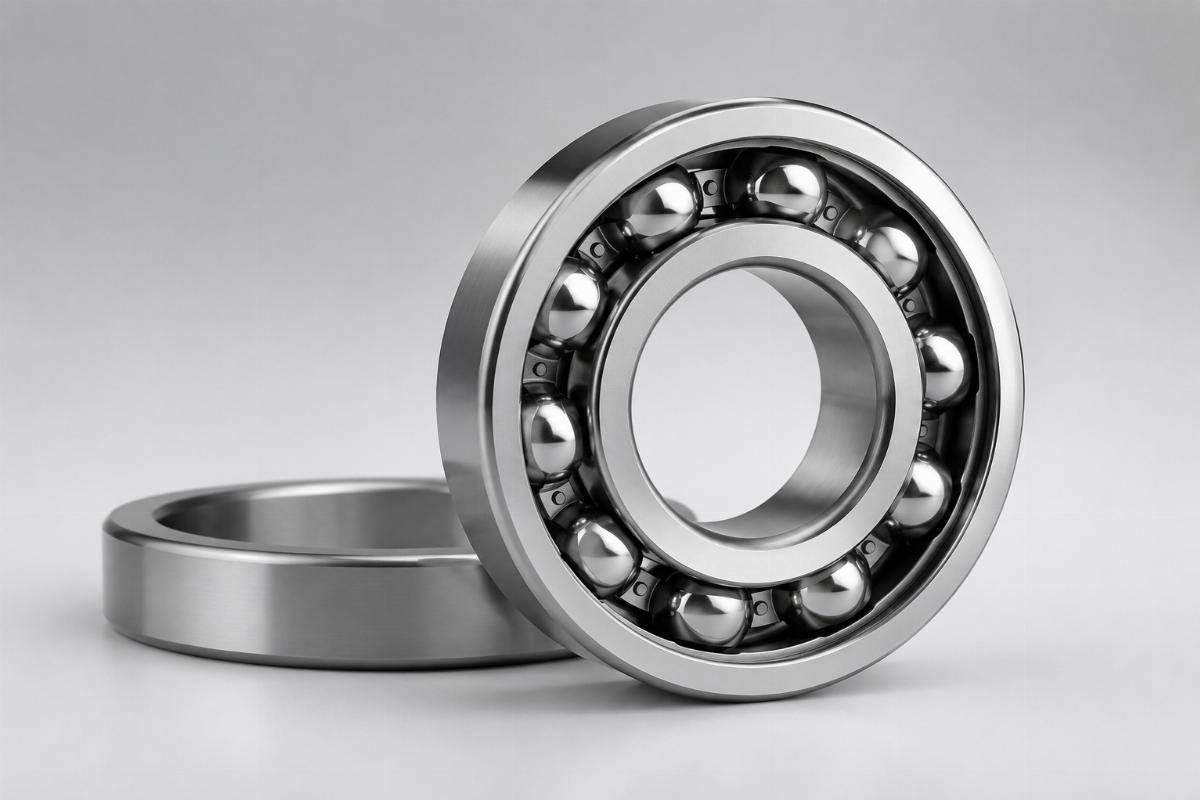
The essential documentation checklist includes:
- REACH Compliance Statement – Document confirming no SVHC substances above the 0.1% concentration threshold
- ISO 15236-2 Test Report – Third-party verification of packaging performance under maritime conditions
- Material Traceability Record – Complete manufacturing history from raw material to finished product
- Packaging Material Safety Data Sheet – Detailed composition of all rust agents and packaging materials
- Certificate of Conformity – Product-specific certification referencing applicable international standards
For any China bearing import guide, documentation compliance is as critical as physical product quality.
How Can Buyers Verify a Chinese Bearing Supplier’s Anti-Rust and Logistics Capabilities?
Video factory audits reveal more than standard supplier questionnaires – While certifications are important, verifying actual packaging processes and logistics infrastructure through targeted video inspections identifies potential failure points before placing orders.
| Verification Item | Minimum Acceptable Standard |
|---|---|
| VCI Packaging Line | Dedicated equipment with thickness verification |
| Vacuum Sealing Station | Calibrated pressure gauges with seal integrity testing |
| Oil Coating Application | Controlled film thickness measurement |
| Desiccant Loading | Weight verification per cubic meter |
| Warehouse Conditions | Humidity and temperature monitoring |
| Container Stuffing | Weather protection and documentation |
As an authorized SKF bearing distributor, we maintain full batch traceability on every shipment, with batch numbers verifiable against SKF records. This traceability becomes critical when customs authorities require documentation proving product authenticity and compliance. Our deep stock of rare designations—including large bore, special precision and clearance options, ceramic and stainless variants—ships rapidly, avoiding the extended factory lead times that plague many buyers. Every shipment includes certificate of origin and batch traceability documentation, with third-party inspection available on request.
The verification process for any China bearing import guide supplier should include:
- Live Video Walkthrough – Request real-time video of packaging operations, not pre-recorded marketing material
- Equipment Calibration Records – Verify that vacuum sealers, thickness gauges, and humidity monitors are regularly calibrated
- Batch Traceability Demonstration – Ask suppliers to trace a specific batch from raw material receipt to finished packaging
- Warehouse Tour – Confirm climate control, organization, and separation of compliant versus non-compliant materials
- References from Similar Markets – Request contact information for buyers in your region who can verify delivery performance
These verification steps separate genuine capability from marketing claims in the China bearing import guide landscape.
Conclusion
Packaging, shipping, and documentation form the three pillars of successful bearing imports from China. Professional anti-rust packaging with VCI and vacuum sealing prevents corrosion during extended sea transit, strategic shipping method selection balances cost and urgency, and complete REACH-compliant documentation avoids customs detention. Partnering with an authorized distributor offering full batch traceability and self-operated logistics eliminates the majority of supply chain risks that plague industrial buyers.