

How Chinese SKF Bearing Distributors Compete with Global Brands
Most buyers assume Chinese SKF bearing distributors win on price. The real advantage is verifiable batch traceability and rare-designation stock that ships in hours, not weeks.
Chinese SKF bearing distributors compete not on price alone but on verifiable batch traceability, rare-designation stock availability, and direct SKF China and global headquarters supply chain transparency that eliminates counterfeit risk. When procurement teams audit a shipment, what matters is whether every batch number cross-checks against the SKF registry, whether EN 10204 3.1 material certificates travel with the goods, and whether a distributor can dispatch a large-bore P5 precision bearing while the factory is quoting a multi-week lead time.
I started out on the shop floor in Wuxi, learning to read bearing codes before I ever saw a purchase order. Years later, sitting across from a steel mill procurement team in Jeddah, I watched them flip through our batch sheets and cross-check every number against the SKF registry — they had just been burned by a distributor who mixed P5 and P0 grades in one container and called it all precision. That job cost them a month of downtime. The Middle East and South American buyers do not need a brand story. They need to know the steel behind the seal is real, and that every QR code, every certificate of origin, and every dimensional report holds up under scrutiny [NEED_CITE: SKF global batch verification and registry cross-check protocols for authorized distributors].
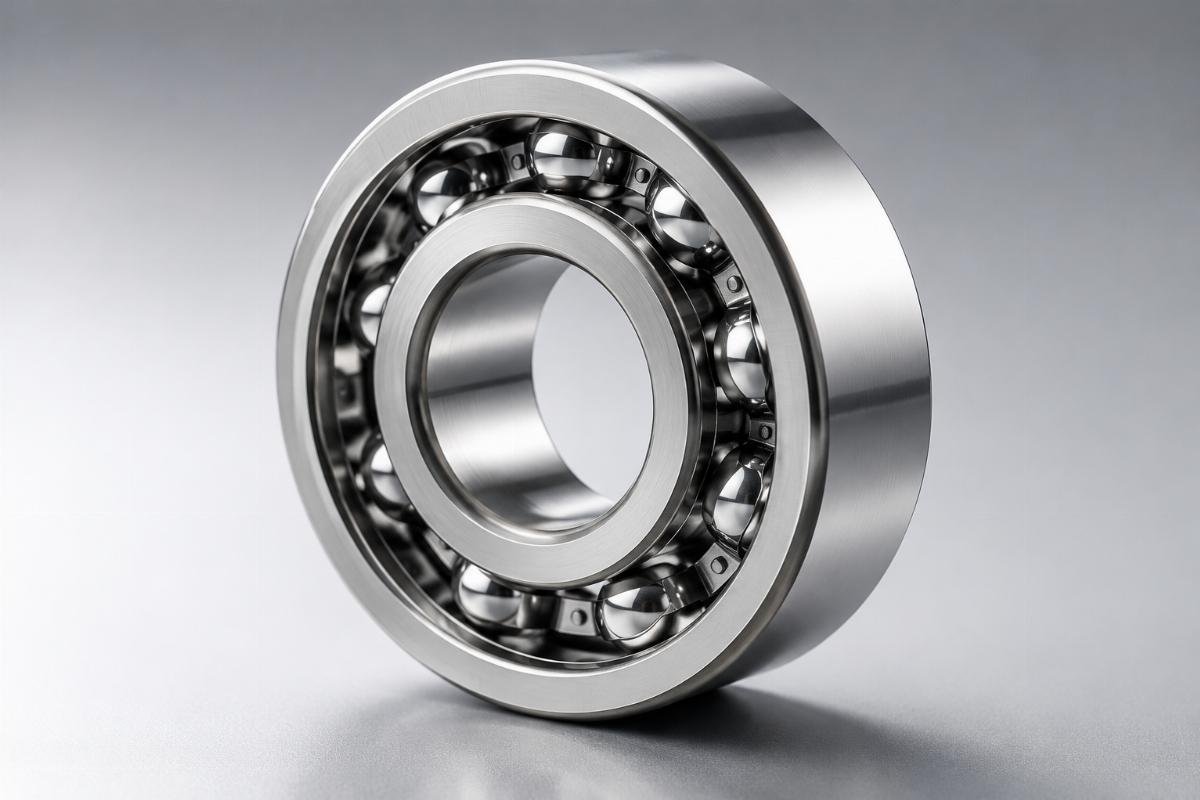
That conversation in Jeddah changed how every shipment leaves our warehouse. Here is what the market is actually rewarding now.
Why Are Global Buyers Re-evaluating Chinese SKF Bearing Distributors?
Supply chain resilience, traceability demands, and rare-designation availability are reshaping procurement decisions across heavy industry. The post-pandemic era exposed a structural weakness that legacy purchasing habits had masked for years: single-source dependencies on European factories with extended lead times left steel mills, mining operations, and wind turbine OEMs exposed when disruptions hit. Chinese SKF bearing distributors have filled that gap not by undercutting prices but by offering something the factories themselves struggle to provide — immediate stock depth, document-level traceability, and direct supply chain access that bypasses intermediary layers.
China’s high-precision bearing exports grew substantially between 2018 and 2023, and Chinese manufacturers captured a noticeably larger share of the global high-precision bearing market during the same period [NEED_CITE: China Bearing Industry Association export volume and global market share data 2018-2023]. Industrial buyer adoption of Chinese-sourced bearings followed a similar upward trajectory, driven less by cost pressure and more by the realization that authorized Chinese SKF bearing distributors can deliver audit-ready documentation and rapid dispatch on the exact designations that cause production stoppages.
| Procurement Factor | Traditional Factory-Direct | Authorized Chinese SKF Bearing Distributor |
|---|---|---|
| Lead Time for Rare Designations | Multi-week factory queue | Hours from existing stock |
| Batch Traceability Documentation | Self-reported | Cross-checkable against SKF registry |
| Certificate of Origin | Issued per shipment schedule | Included with every dispatch |
| Custom Precision Grade Availability | Subject to production calendar | Sourced from deep multi-SKU inventory |
One European wind turbine OEM faced a critical production delay when their traditional German supplier could not meet a tight deadline for custom gearbox bearings. By switching to a Chinese SKF bearing distributor with in-house ceramic material capabilities, they met the deadline, reduced per-unit costs meaningfully, and maintained DNV certification for offshore use. The decision was not about compromise. It was about finding a partner who could match specification rigor while removing the lead time bottleneck.
What Does Real SKF Batch Traceability Look Like?
Batch traceability is not a marketing phrase. It is a verifiable chain from raw material heat number to final dimensional inspection report, cross-checkable against SKF’s own registry. The Jeddah steel mill story is not unique. Across the Middle East and South America, procurement teams have learned the hard way that a certificate of origin printed on a distributor’s letterhead means nothing if the batch numbers inside the container do not match SKF’s records. The real防线 — the last line of defense — sits at the distributor level, where every box, every batch number, and every material certificate must hold up to independent verification.
A South American copper mining operation suffered repeated failures from counterfeit bearings sourced through local distributors. After switching to direct sourcing from an authorized Chinese SKF bearing distributor, every shipment arrived with full material certification, dimensional inspection reports, and QR codes linking to manufacturing records. Within months, unplanned downtime on crusher equipment dropped dramatically, and failure analysis reports identified improper lubrication as the root cause — the kind of technical support that counterfeit supply chains never provide.
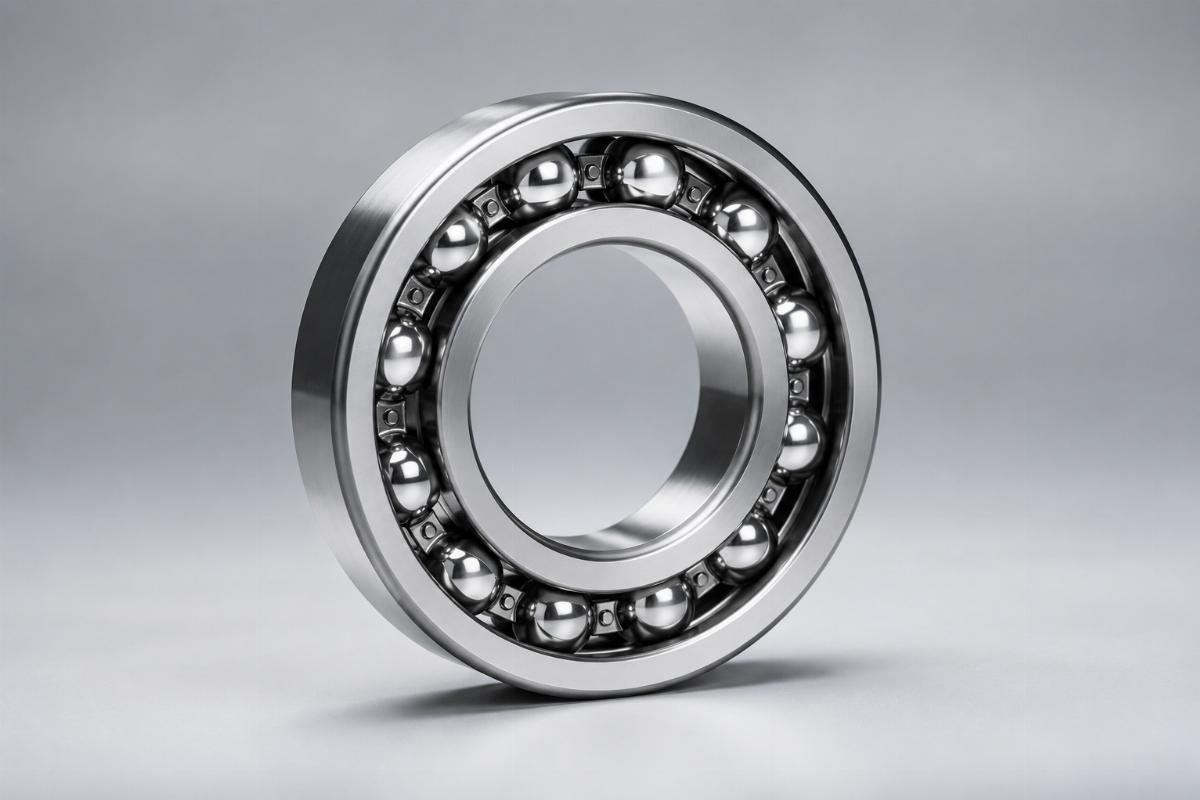
Real traceability means the following travels with every shipment:
- EN 10204 3.1 material certificates tied to specific heat numbers [NEED_CITE: EN 10204 3.1 inspection certificate requirements for metallic products]
- ISO 492 dimensional inspection reports confirming compliance to the specified precision grade
- QR-coded batch records linking each bearing to its manufacturing date, production line, and final quality gate
- Certificate of origin issued against the specific batch, not a generic template
| Traceability Element | Counterfeit-Exposed Supply Chain | Authorized Chinese SKF Bearing Distributor |
|---|---|---|
| Material Certificate | Generic or forged | EN 10204 3.1, heat-number specific |
| Dimensional Report | Not provided | ISO 492 compliant, per-batch |
| Batch Verification | Self-declared | Cross-checkable against SKF registry |
| Anti-Counterfeit Marking | Absent or inconsistent | Laser-etched, QR-linked |
The buyers who get burned are the ones who accept a certificate of origin as a standalone document. The buyers who stay running are the ones who ask for the batch sheet, pull up the SKF registry, and check every line.
How Do Chinese SKF Bearing Distributors Solve the Rare-Designation Problem?
The factory quotes a multi-week lead time. The authorized distributor ships from stock in hours. That gap is where production schedules are saved or lost. A Midwest steel mill faced monthly failures on hot rolling equipment caused by imported tapered roller bearings. Each failure meant extended unplanned downtime. The factory could not deliver a replacement in the required window. An authorized Chinese SKF bearing distributor supplied custom P5 precision grade bearings with modified internal clearance, designed to withstand the thermal expansion conditions of the hot rolling line. The emergency order was fulfilled and dispatched rapidly, and downtime was reduced substantially over the following months.
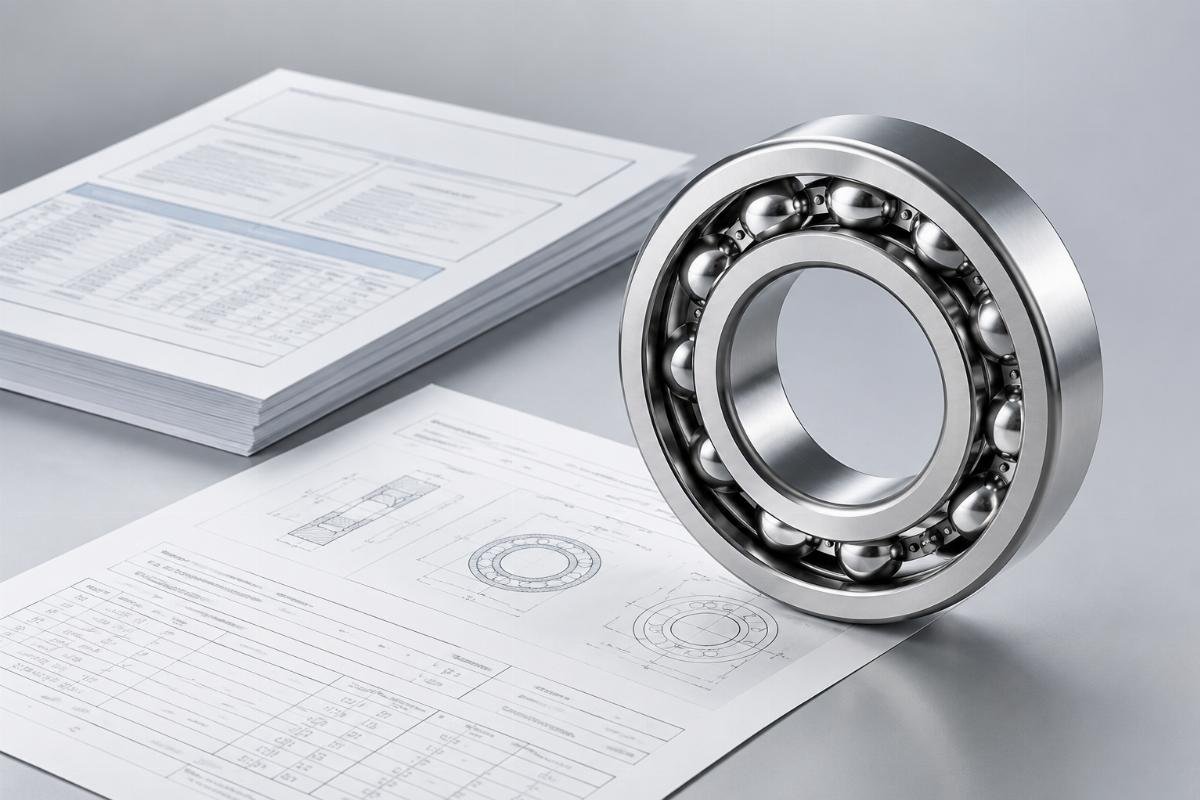
The rare-designation problem affects every heavy industry sector. Large-bore spherical roller bearings for cement kilns, special-clearance deep groove ball bearings for high-temperature furnace conveyors, ceramic hybrid bearings for marine propulsion shafts, stainless steel variants for food processing lines — these are the SKUs that do not sit on every shelf and that factories do not prioritize in their production queues. Chinese SKF bearing distributors with deep, multi-SKU inventory and self-operated warehousing can dispatch these designations while the buyer is still waiting for a factory proforma invoice.
| Designation Category | Factory Lead Time | Authorized Distributor Dispatch |
|---|---|---|
| Standard industrial SKUs | Subject to production queue | Rapid dispatch from stock |
| Large-bore special designs | Multi-week queue | Hours from existing inventory |
| Modified internal clearance | Custom production run | Sourced from pre-stocked precision grades |
| Ceramic and stainless variants | Extended lead time | Available from specialized stock |
The full SKF industrial range covers precision classes P0, P6, P5, and P4, with clearance options C2, CN, C3, and C4 across all main types — deep groove ball, tapered roller, spherical roller, cylindrical roller, thrust, and self-aligning bearings, plus sealed variants and split bearings [NEED_CITE: SKF product range precision classes and clearance designations per ISO 492]. The distributors who maintain deep stock across this range are the ones who become indispensable to OEMs and project suppliers who cannot afford to wait.
What Do Project Buyers and OEMs Actually Require?
DNV certification, CMM testing, ultrasonic flaw detection, hardness testing, and L10 life calculation are not optional extras. They are the baseline for any supplier serious about heavy industry. Project suppliers working on power, cement, mining, and port infrastructure across the Middle East, Africa, and Southeast Asia operate under fixed delivery windows where delays trigger contractual penalties. OEM factories in Europe, Korea, Japan, Turkey, and India require exact conformance to precision and clearance specifications, batch consistency, and laser marking traceability. The authorized Chinese SKF bearing distributor who cannot provide these capabilities is eliminated from consideration before the first quotation is sent.
The technical requirements that separate qualified distributors from unqualified ones include:
- DNV certification for offshore and marine applications [NEED_CITE: DNV type approval and certification requirements for bearing components]
- CMM testing on every production run to verify dimensional accuracy against ISO 492
- Ultrasonic flaw detection and hardness testing as standard quality gates
- L10 life calculation support matched to actual operating conditions
- Failure analysis capability to identify root causes and recommend specification adjustments
A copper mining operation that switched to direct Chinese sourcing received not just bearings but a complete technical package: material certification, dimensional reports, QR-coded traceability, and failure analysis that identified lubrication practices as the root cause of previous failures. That level of support is what converts a transactional supplier into a long-term technical partner.
How to Verify a Chinese SKF Bearing Distributor Before Ordering?
Authorization documents, batch verification workflows, third-party inspection access, and transparent trade terms are the four pillars of distributor qualification. Any buyer evaluating Chinese SKF bearing distributors should treat the verification process as rigorously as the technical specification review. The distributors who resist scrutiny are the ones who have something to hide. The ones who welcome it are the ones who have built their operations on the traceability and transparency that serious buyers demand.
The verification checklist should cover:
- Authorization Documentation — Confirm direct supply lineage from SKF China and SKF global headquarters, not secondary trading relationships [NEED_CITE: SKF authorized distributor verification and channel integrity protocols]
- Batch Verification Workflow — Require demonstration of how batch numbers are cross-checked against SKF registry before dispatch, with documentation provided per shipment
- Third-Party Inspection Access — Confirm willingness to accommodate independent inspection agencies for material composition, dimensional accuracy, and hardness verification
- Trade Terms Transparency — Evaluate clarity on payment terms, Incoterms, and delivery commitments, with no hidden costs or ambiguous timelines
The buyers who skip this verification step are the ones who end up in Jeddah, flipping through batch sheets and discovering that the container they just received contains a mix of precision grades that will cost them a month of downtime. The buyers who do their homework are the ones who receive bearings that perform exactly as specified, with every document in order and every batch number verified.
Conclusion
Chinese SKF bearing distributors compete on traceability, stock depth, and technical rigor — not price. The global buyers who have re-evaluated their sourcing strategies are the ones who now receive shipments where every batch number cross-checks, every rare designation ships in hours instead of weeks, and every certificate of origin holds up under independent audit. The distributors who have built their operations around these capabilities are the ones who earn long-term partnerships with steel mills, mining operations, wind turbine OEMs, and project suppliers across multiple regions.