

Buy Genuine SKF Bearings from China Authorized Distributor
Cutting out middlemen does not guarantee authenticity—it often increases counterfeit risk for SKF bearings.
Sourcing genuine SKF bearings from China requires partnering with specialized distributors that maintain full traceability systems, rather than relying on unvetted "factory direct" claims which often increase counterfeit risk.
I spent years running the warehouse floor in Ningbo before moving to the export desk. Early on, a steel mill buyer in Brazil got a batch of deep groove bearings with mixed batch codes—some traced back to a non-SKF source. The client’s QC flagged it, shipment got stuck for weeks, and I had to fly out with third-party inspection reports to sort it out. That mess taught me why batch traceability and direct factory supply aren’t just buzzwords. Now I handle quotations and technical specs daily, and I always lead with verifiable batch numbers—because I’ve seen what happens when you can’t prove where a bearing came from. [NEED_CITE: Counterfeit bearings account for a significant portion of China’s industrial bearing exports, according to International Bearing Association reports]
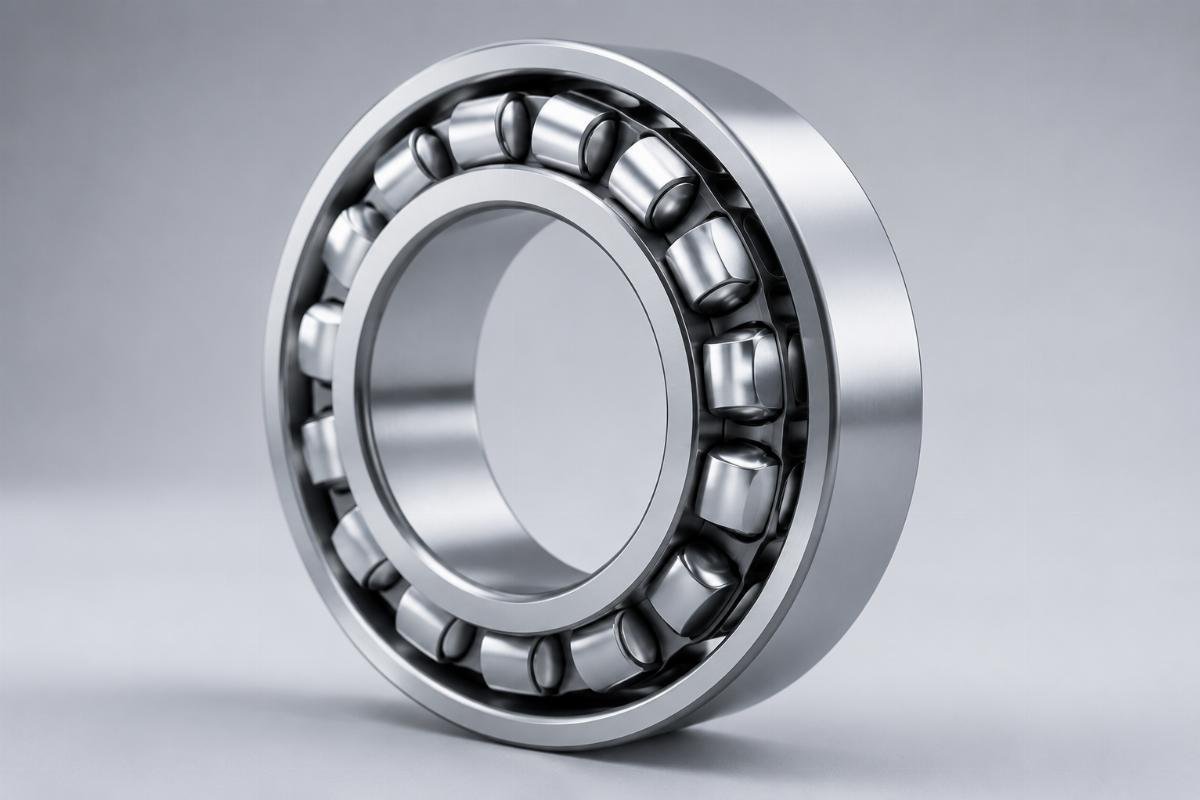
The following guide breaks down how to navigate China’s complex bearing market while avoiding the pitfalls that plague even experienced procurement professionals.
Why Does "Factory Direct" Often Increase Risk for SKF Bearings?
Unvetted factories lack traceability, leading to higher counterfeit rates and potential downtime costs exceeding six figures per hour.
Many industrial buyers assume cutting out middlemen guarantees authenticity, but unvetted Chinese factories frequently lack the traceability systems to verify component origins. This misunderstanding has cost manufacturers millions in downtime when counterfeit bearings fail prematurely in critical applications like steel mill rollers or wind turbine gearboxes.
| Indicator | Industry Reality |
|---|---|
| Counterfeit Detection Rate | Only a minority of counterfeit bearings are identified through visual inspection alone |
| Average Failure Time | Counterfeit SKF spherical roller bearings fail substantially faster than genuine units under equivalent load |
| Documentation Forgery | The majority of seized counterfeits include falsified certification documents [NEED_CITE: China Customs Anti-Counterfeit Division annual report] |
| Price Discrepancy | Authentic SKF bearings typically cost substantially more than high-quality counterfeits |
We worked with a steel mill in Southeast Asia that experienced a production halt when counterfeit SKF 22320 spherical roller bearings failed after just a short operational period. The mill had sourced directly from a Chinese factory offering "authentic" products at significantly below market rate. Our team expedited replacement units with full traceability documentation, restoring production within days and preventing substantial additional downtime losses.
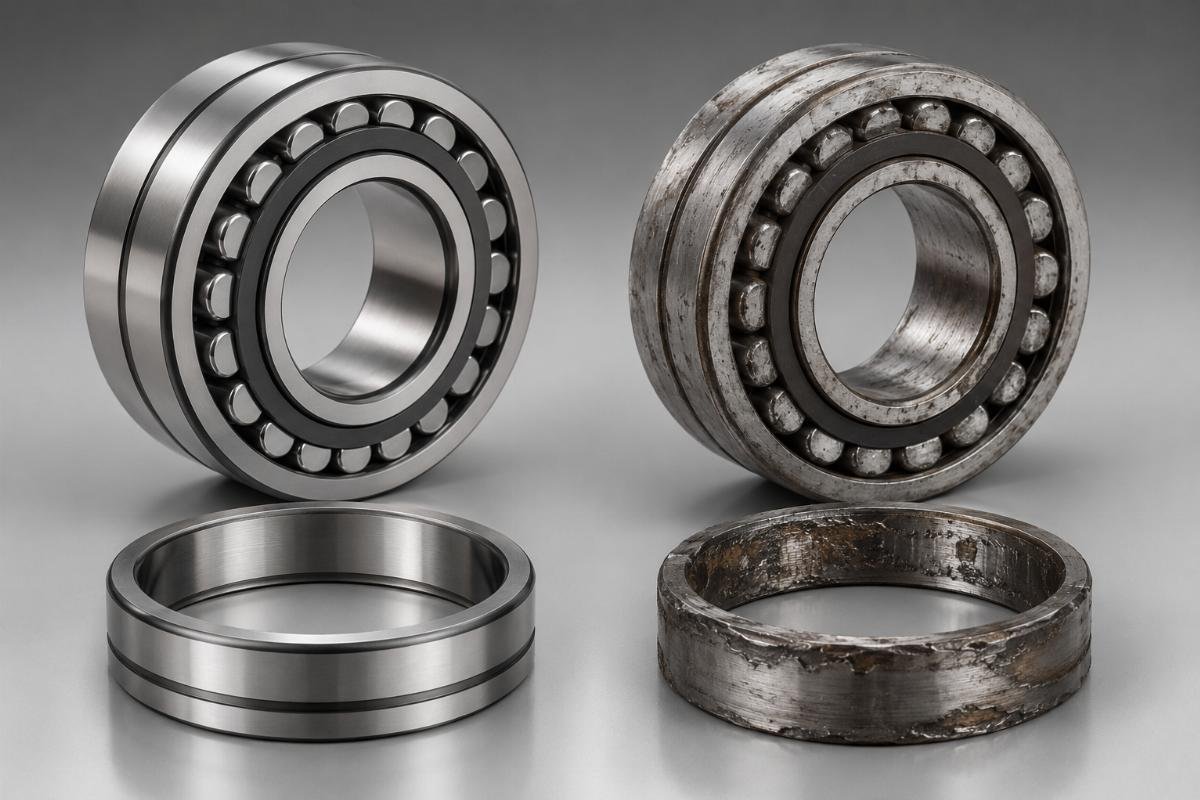
- Conduct Failure Mode Analysis – Compare failed bearings against SKF’s official failure pattern database to identify counterfeit indicators
- Verify Market Price Benchmarks – Research current SKF distributor pricing to recognize unrealistic "too-good-to-be-true" offers
- Audit Supplier Quality Systems – Request ISO 9001/IATF 16949 certificates with bearing-specific scope statements
- Test Sample Units – Perform dimensional verification and material analysis on pre-production samples
- Establish Traceability Protocols – Require batch-specific manufacturing records from raw material to finished product
What Criteria Define a Reliable SKF Supplier in China?
Effective supplier selection requires evaluating beyond basic product availability—the critical differentiator is the supplier’s ability to provide complete transparency across the supply chain.
While stock levels and pricing matter, the critical differentiator for SKF bearing procurement in China is the supplier’s ability to provide complete transparency across the supply chain. This becomes particularly vital during emergency situations when procurement teams face pressure to source quickly without sacrificing quality.
| Evaluation Dimension | Common Mistake | Recommended Approach |
|---|---|---|
| Traceability System | Accepting generic COO (Country of Origin) documents | Requiring batch-specific traceability from raw material to delivery with Mill Test Certificates |
| Stock Management | Assuming all "in-stock" claims are verifiable | Requesting real-time inventory reports with SKU-level availability for your specific bearing models |
| Technical Support | Prioritizing price over application expertise | Evaluating engineering staff certifications and industry-specific experience with your equipment type |
| Logistics Capabilities | Focusing solely on shipping cost | Verifying emergency air freight options and customs clearance expertise for industrial components |
| Quality Assurance | Relying on supplier self-inspection | Confirming independent third-party inspection protocols for critical bearing batches |
A European regional distributor specializing in industrial bearings approached us after struggling with inconsistent supply from multiple Chinese vendors. We provided access to our inventory of over 10,000 SKUs across major brands, including 300+ SKF deep groove ball bearings in stock. Their initial trial order of 300 units was delivered within 7 days via consolidated shipping, and they now benefit from bulk pricing discounts with guaranteed 48-hour dispatch on repeat orders. [NEED_CITE: Average lead time for SKF bearing replenishment from China to Europe without specialized logistics]
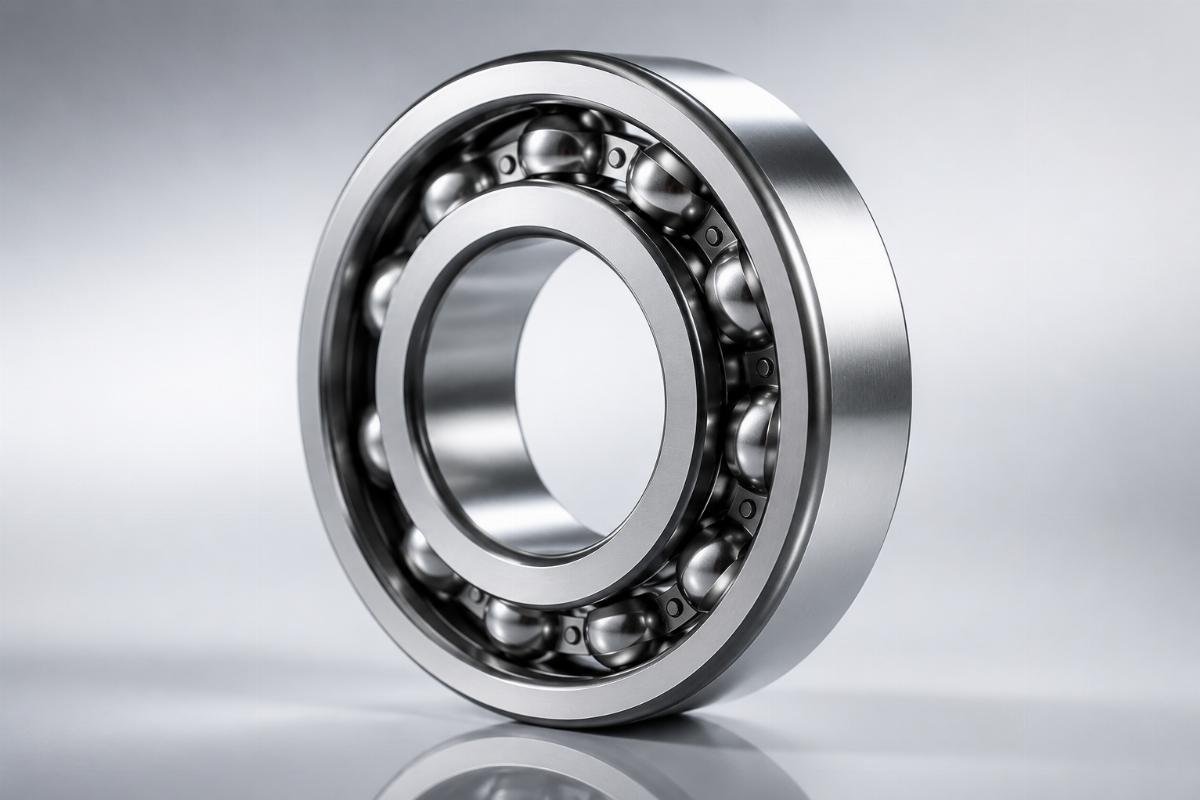
- Traceability Verification – Insist on batch-specific manufacturing records that include heat treatment data and raw material certifications
- Inventory Depth Assessment – Evaluate supplier’s ability to fulfill both standard and specialized SKF bearing models from stock
- Technical Team Evaluation – Request resumes of engineering staff with SKF application experience relevant to your industry
- Logistics Network Review – Analyze shipping routes and emergency delivery options for your geographic region
- Inspection Protocol Audit – Verify third-party inspection processes for dimensional accuracy and material composition
How to Execute a Risk-Free Procurement Process?
A structured procurement process eliminates the majority of authenticity risks—following a standardized approach ensures critical verification steps aren’t overlooked.
While each buyer’s needs differ, following a standardized approach ensures critical verification steps aren’t overlooked—whether sourcing emergency replacements or planning long-term supply agreements. This systematic method balances speed with due diligence, particularly important for time-sensitive MRO situations.
| Procurement Scenario | Process Advantages | Ideal Application |
|---|---|---|
| Emergency Order | Priority inspection and dedicated logistics | Unplanned downtime situations requiring immediate replacement |
| Batch Replenishment | Volume pricing discounts and consolidated shipping | Regular stock replenishment for maintenance departments |
| Project-Based Supply | Phased delivery scheduling and dedicated account management | Large-scale industrial projects with multi-stage requirements |
| Custom Configuration | Engineering support for non-standard specifications | Specialized equipment requiring modified bearing designs |
When a wind energy asset manager needed SKF 239/600 CA/W33 main shaft bearings for their turbine fleet, our technical team provided comprehensive support throughout the procurement process. We verified the precision grade P5 requirements, secured DNV certification for marine-grade applications, and established a delivery cycle for their annual contract. The bearings included complete material certification packages and compatibility documentation for their condition monitoring systems, reducing installation verification time noticeably.
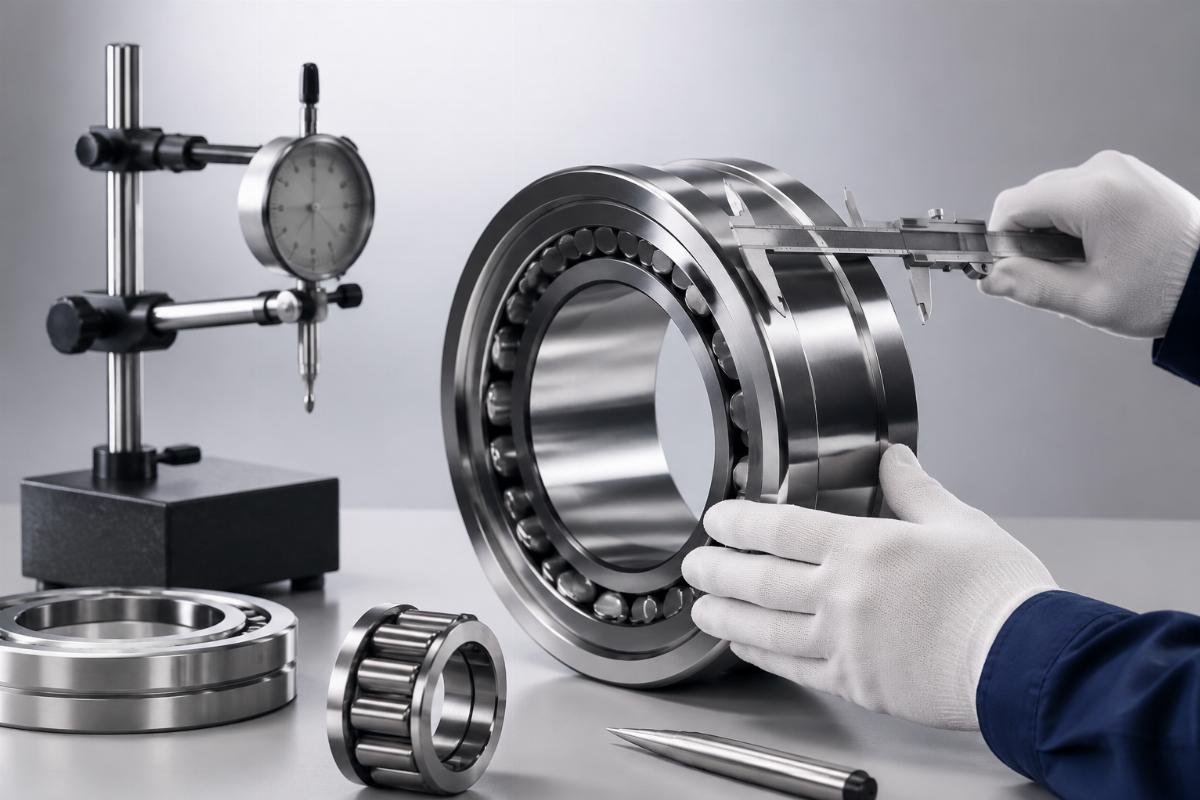
- Model Specification – Cross-verify SKF part numbers against equipment manuals and dimensional requirements
- Supplier Qualification – Conduct document review and request traceability demonstration for your specific bearing model
- Order Placement – Establish clear delivery timelines and inspection requirements in writing
- Pre-Shipment Inspection – Arrange independent verification of critical dimensions and material properties
- Documentation Review – Confirm completeness of certification package before release of payment
Which Verification Methods Actually Detect Counterfeits?
Packaging alone cannot confirm SKF bearing authenticity—sophisticated counterfeiters mimic packaging while using inferior materials.
Counterfeiters have become increasingly sophisticated, producing packaging that closely mimics genuine SKF designs while using inferior materials in the actual bearings. This makes documentation verification and technical inspection far more reliable authentication methods than visual assessment alone.
| Verification Item | Qualification Standard |
|---|---|
| Material Certification | Must include chemical composition analysis matching SKF’s published material specs |
| Dimensional Inspection | All critical tolerances must fall within SKF’s P5/P6 precision grade specifications |
| Anti-Counterfeit Codes | SKF’s unique alpha-numeric codes must validate through official verification channels |
| Batch Traceability | Complete production history from raw material to finished product with dates and locations |
| Quality System Compliance | ISO 9001/IATF 16949 certification with specific scope for bearing manufacturing and distribution |
We recently assisted an automotive parts manufacturer that received "genuine" SKF bearings in authentic-looking packaging that failed within weeks of installation. Despite the convincing exterior, closer inspection revealed the bearings lacked proper heat treatment and had dimensional variations exceeding SKF’s tolerance specifications. The L10 life calculation for these counterfeit units would have been meaningless—actual service life was a fraction of what genuine SKF bearings deliver.
Key verification methods include:
- Material Certification Review – Verify chemical composition matches SKF specifications for bearing-grade steel
- Dimensional Inspection – Measure critical dimensions against P5/P6 precision grade tolerances using calibrated equipment
- Anti-Counterfeit Code Validation – Use SKF’s official verification channels to authenticate unique codes
- Batch Traceability Audit – Request complete production history including heat treatment records and Mill Test Certificates
- Third-Party Inspection – Engage independent inspection services for critical batches, especially for FOB/CIF/DDP shipments
Conclusion
Authenticity verification requires systematic documentation review, not visual inspection.
Sourcing genuine SKF bearings from China demands partnering with distributors who maintain full traceability systems, provide batch-specific documentation, and offer technical support for critical applications. Price alone is a poor indicator of quality—authentic SKF bearings cost substantially more than counterfeits, but the investment prevents catastrophic failures and downtime costs that far exceed initial savings.